Category: Britain’s Back Catalogue
-
How Ski Sunday Taught a Snowless Nation to Love Alpine Racing
Ski Sunday used speed, patient commentary and an unforgettable library-music theme to make Alpine racing part of the British winter. Its ending marks the loss of a particular kind of shared television.
-
Why Football Has a Transfer Window — and What Happens at 11pm
Deadline day is not one last-minute transaction but a chain of contracts, medical checks, clearances and registrations. Here is why the window exists — and how a deal can still appear after 11pm.
-
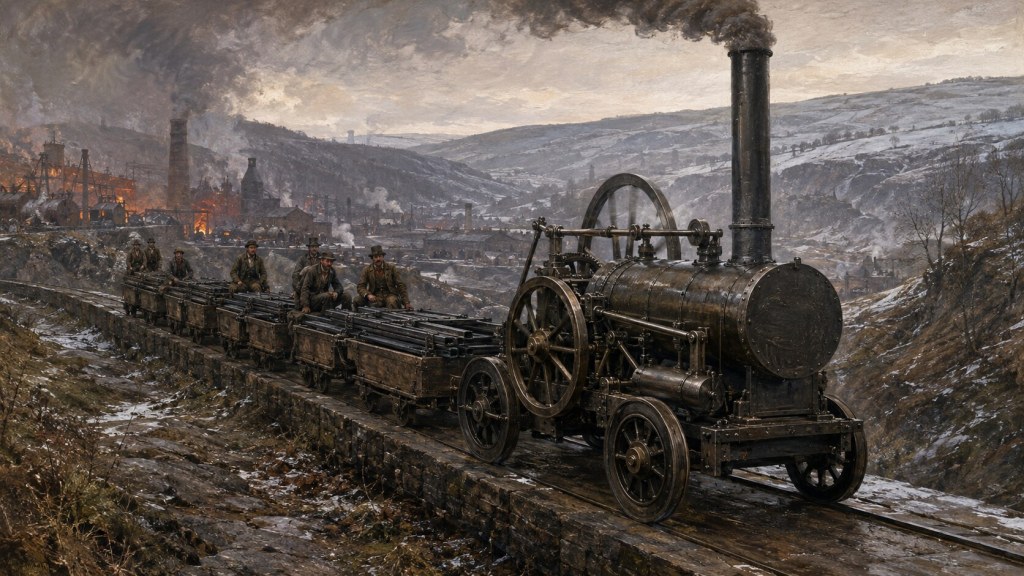
The First Steam Railway Journey Happened in South Wales
Twenty-five years before Rocket, Richard Trevithick’s locomotive hauled ten tons of iron from Penydarren to Abercynon. Its flawed, extraordinary journey began the railway story in South Wales.
-
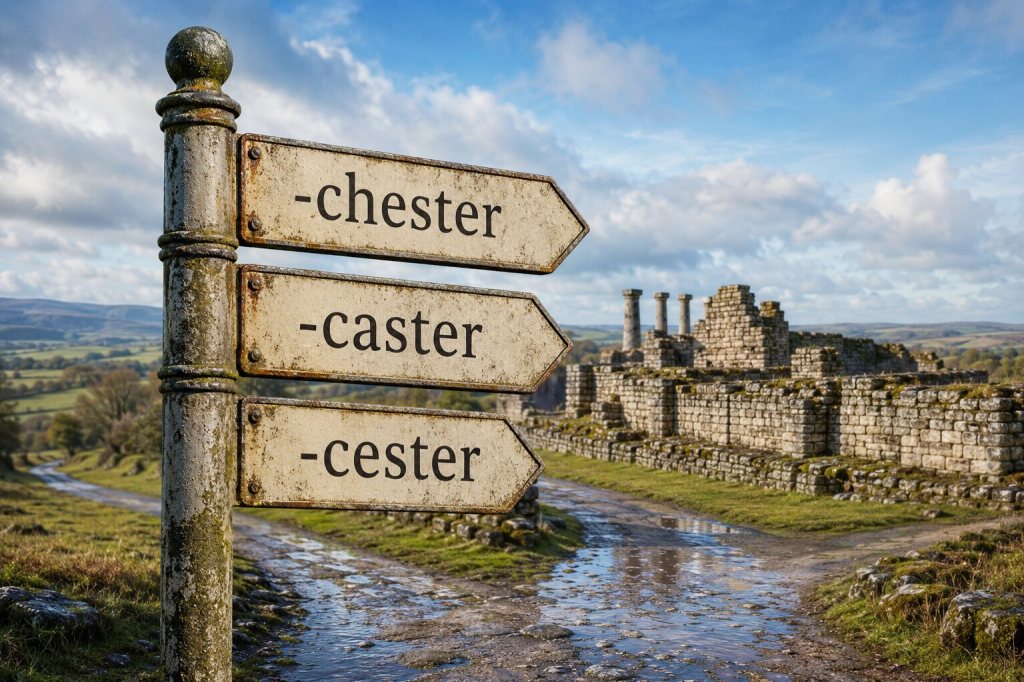
Why Do So Many English Places End in ‘-chester’, ‘-caster’ and ‘-cester’?
Chester, caster and cester look like three different endings. They are one ancient word, reshaped by Romans, Anglo-Saxons, Vikings and everyday speech.
-
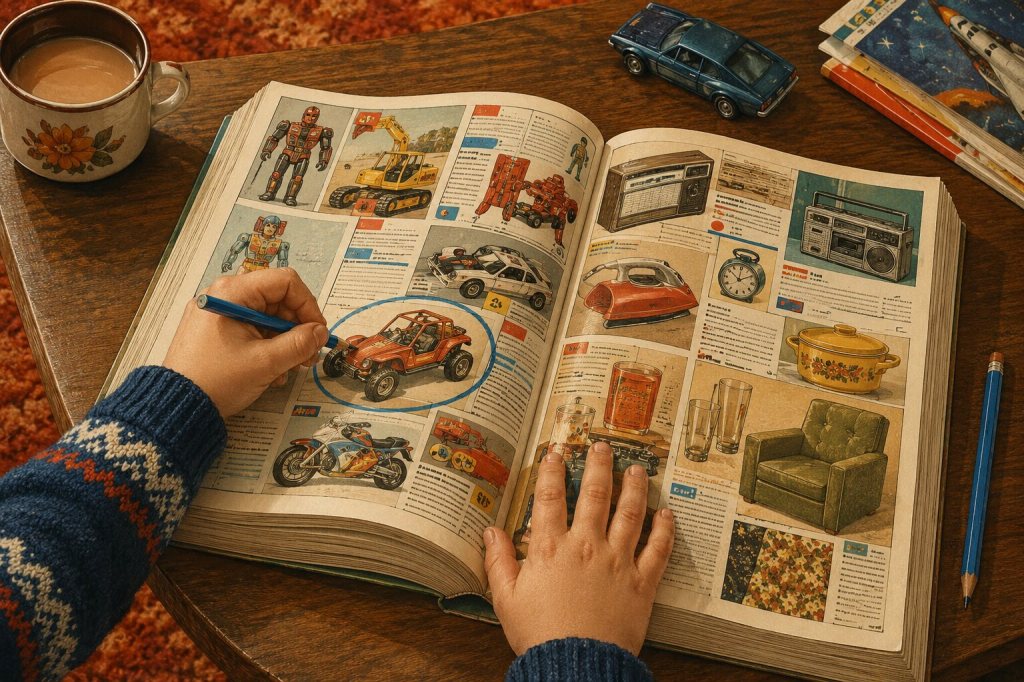
What Happened to the Argos Catalogue?
For almost fifty years, the Argos catalogue was Britain’s toy box, wish list and shopping search engine. Then the internet finished the job it had begun.
-
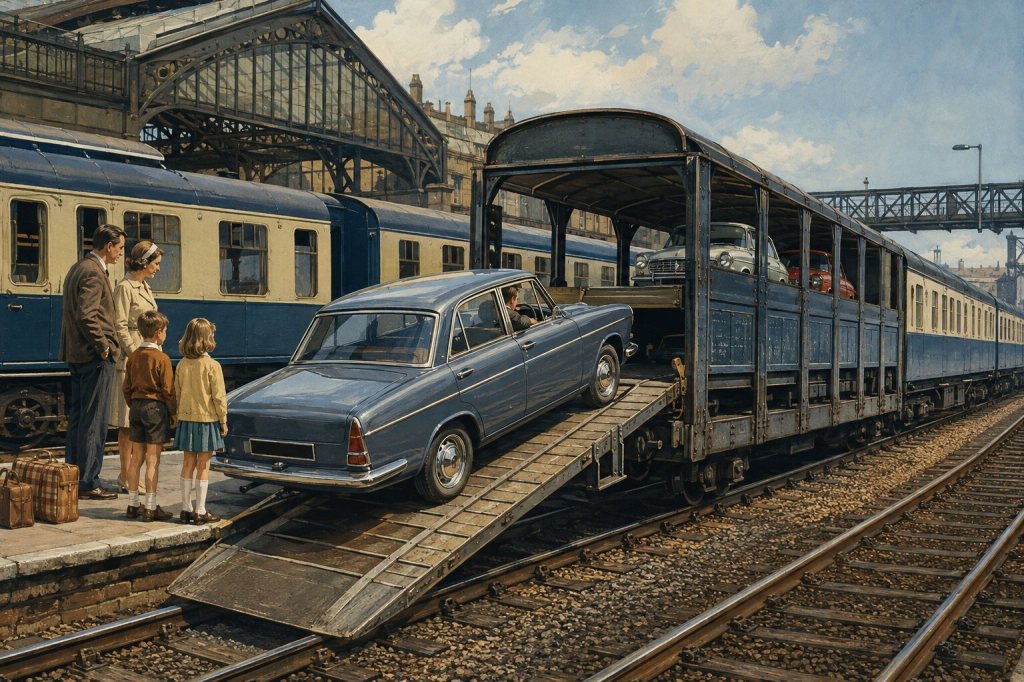
Why Did Britain Stop Putting Cars on Trains?
British Rail once carried holidaymakers and their cars to Scotland and Cornwall. Motorail was ingenious, popular—and ultimately defeated by the motorway.
-
Why Did British Shops Close on Wednesday Afternoons?
Why did British shops once close for an entire afternoon each week? The answer begins with exhausting working hours, local rivalries and a hard-won half-day off.