Category: Collecting, Toys & Culture
-
Why Boarding Schools Became Britain’s Favourite Fictional Worlds
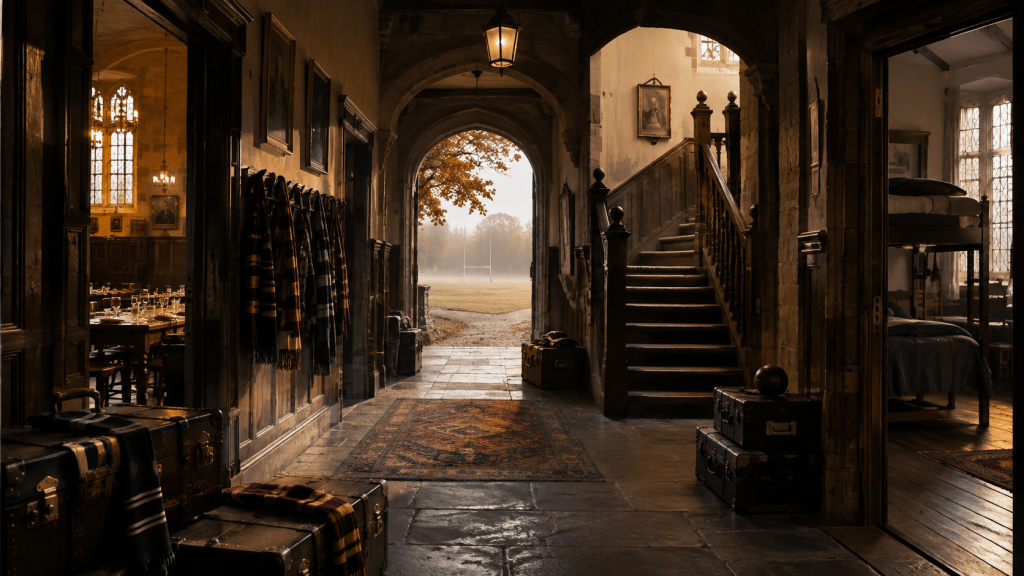
Hogwarts belongs to a much older British tradition. Boarding schools became perfect fictional worlds because they offer boundaries, tribes, rituals, dangers and a society children can partly control.
-
Why Wordle Lets Everyone Play Only Once a Day
Wordle became a worldwide habit by refusing endless play. One shared puzzle, a firm stopping point and a spoiler-free grid turned a simple word game into a daily ritual.

-
How Video-Game Announcements Became Global Television Events
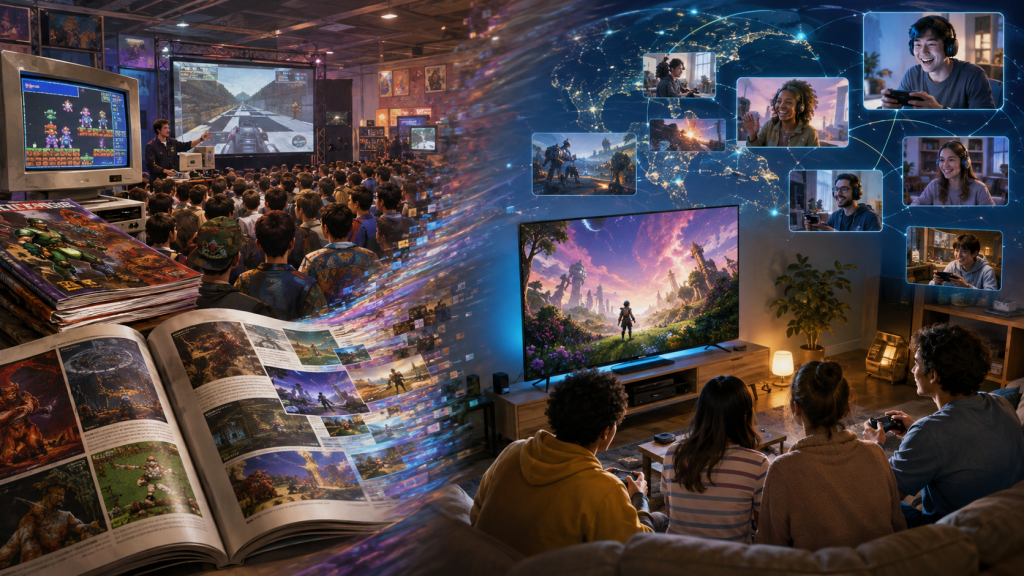
Game reveals once travelled through magazine screenshots and trade-show reports. Direct livestreams turned marketing into global appointment viewing—and let publishers control the entire stage.
-
When You Play a Video Game, Who Actually Draws the Picture?
From sprites and triangles to ray tracing and neural rendering, a game image has always been assembled in real time. DLSS 5 makes the computer’s role more powerful — and more controversial.

-
How Street Fighter II Invented the Modern Fighting Game
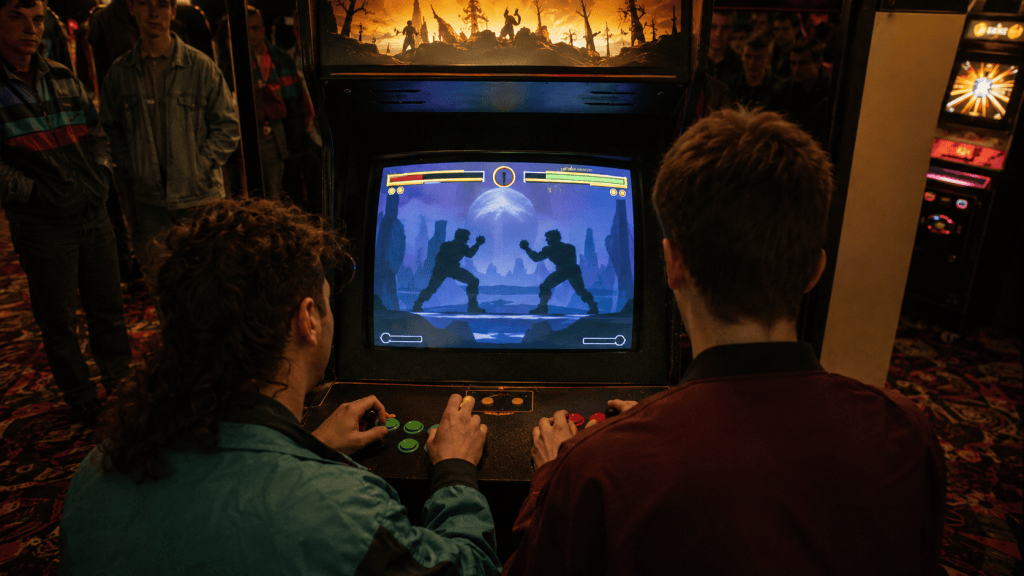
Character selection, six-button controls, combos and winner-stays-on competition turned Street Fighter II into more than a hit. It gave modern fighting games their shared language.
-
Why Is It So Hard to Sell a Collection?
The endowment effect, sunk costs and the way possessions become part of identity all help explain why collections are difficult to reduce—even when selling is the sensible choice.

-
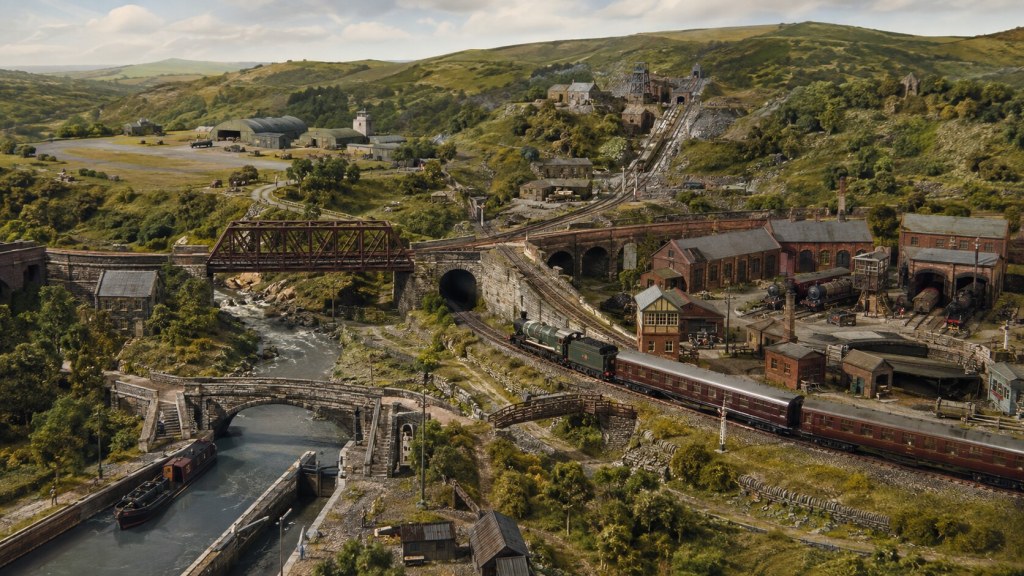
Why Worldbuilding Helps You Make Better Models
Worldbuilding is not only for novelists and game designers. Imagined geography, history and human purpose can make a model railway—or almost any scale model—more coherent, believable and personally rewarding.
-
What Happened to the Argos Catalogue?
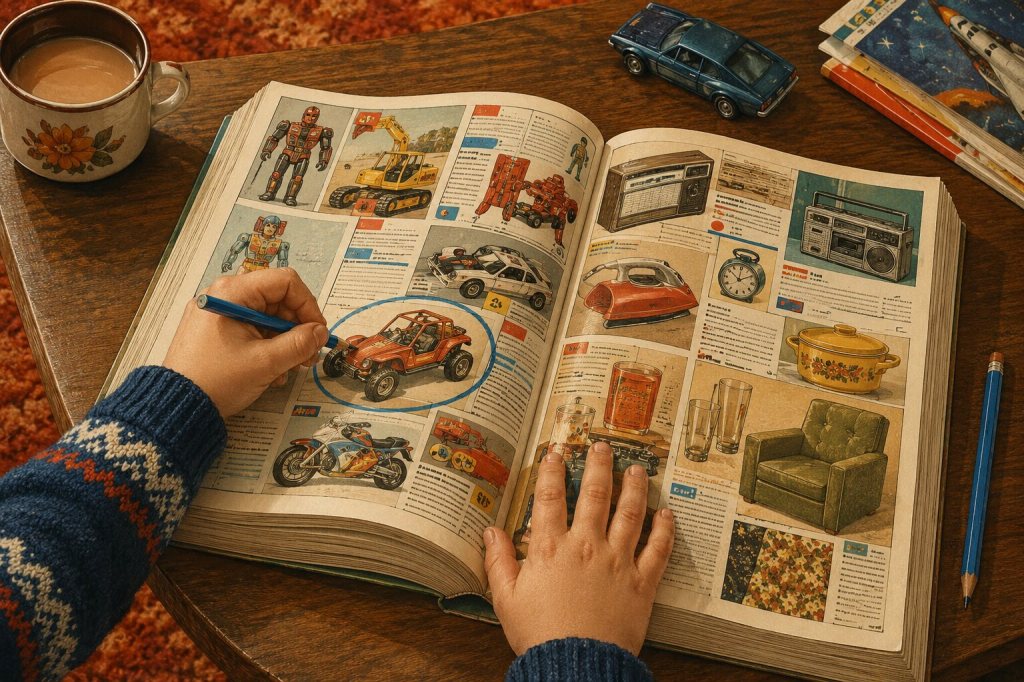
For almost fifty years, the Argos catalogue was Britain’s toy box, wish list and shopping search engine. Then the internet finished the job it had begun.