Category: World History
-
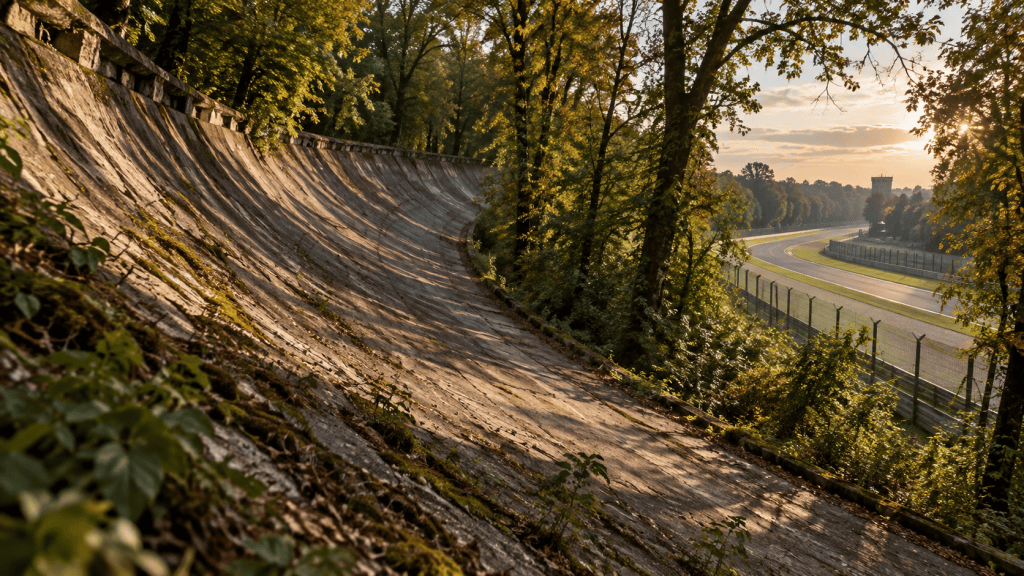
Why Does Monza Still Have an Abandoned Banked Track?
Monza’s banked oval was an engineering answer to higher speed, then became too punishing for changing cars and safety expectations.
-
What Did “Bubble Boy” Teach Medicine About the Immune System?
The famous plastic bubble was not a cure. It was a protective environment that bought time while doctors confronted one of the immune system’s most severe inherited disorders.

-
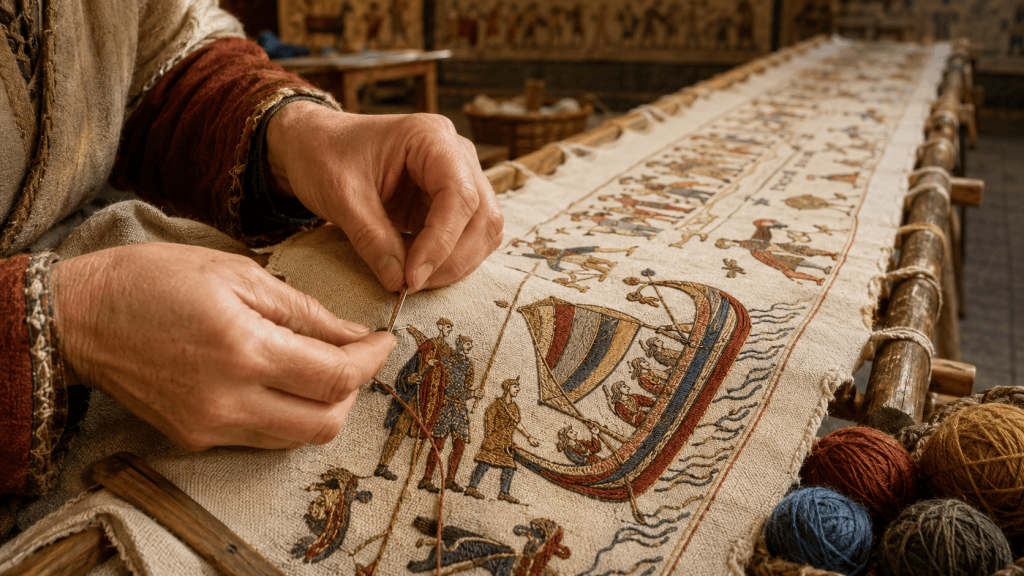
Why the Bayeux Tapestry Is Not Actually a Tapestry
The Bayeux Tapestry is almost 70 metres of medieval storytelling—but it was stitched onto linen, not woven as a true tapestry. Its misleading name reveals how this extraordinary survivor was made.
-
Why People Pay to Visit Working Factories
Factory tours turn finished products back into processes. From breweries and railway works to Chinese robotics plants, visitors come to see the hidden systems that make ordinary life possible.

-
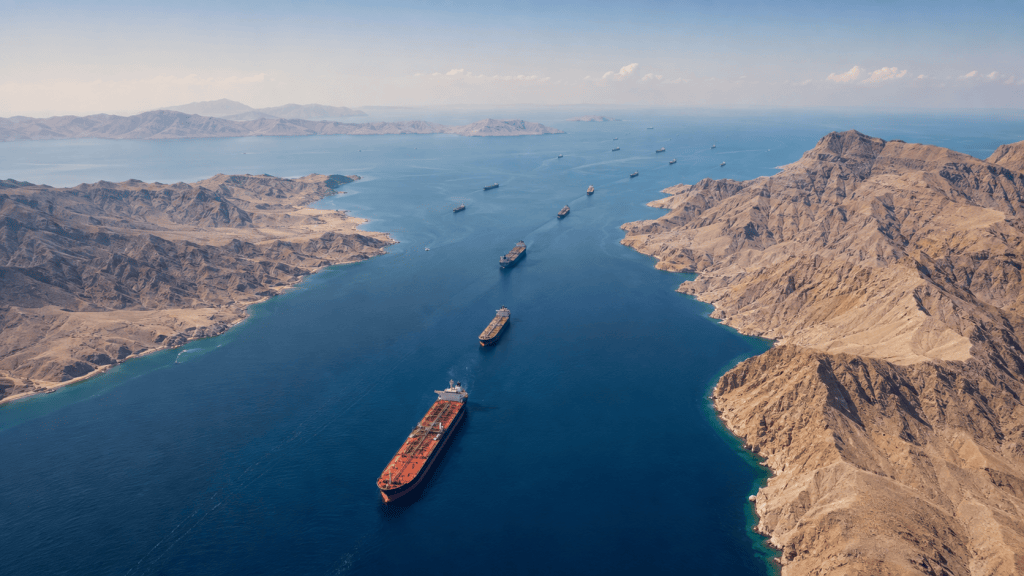
Why the Strait of Hormuz Matters to Almost Everyone
Around one-fifth of the world’s petroleum consumption and LNG trade passes through the Strait of Hormuz. Its power comes from geography concentrating a global system into one narrow route.
-
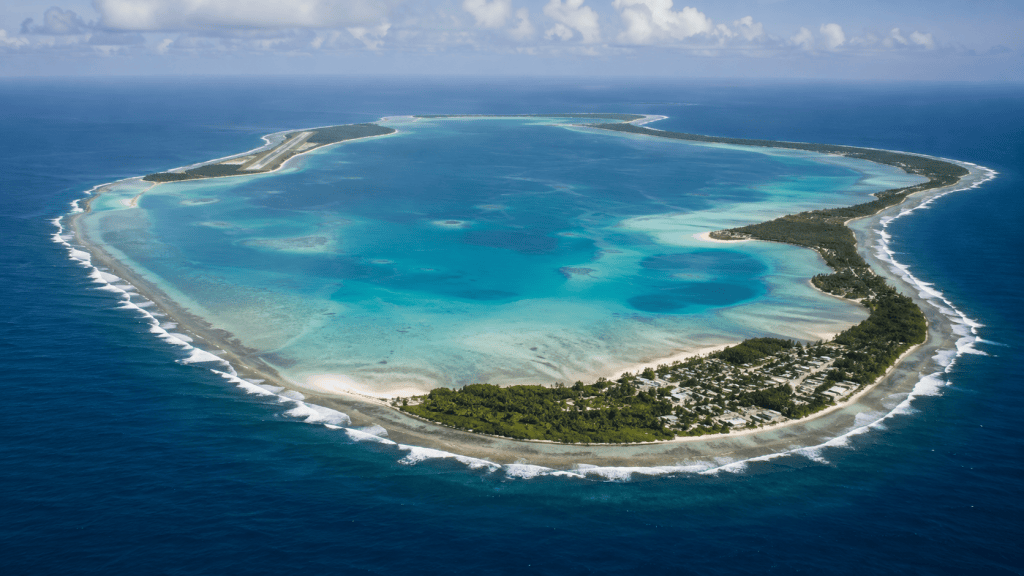
Why Do a Few Tiny Indian Ocean Islands Matter So Much?
Chagos is a remote archipelago with an outsized role in global affairs. Its story connects strategic geography and a major military base with decolonisation and the forced removal of an island people.
-
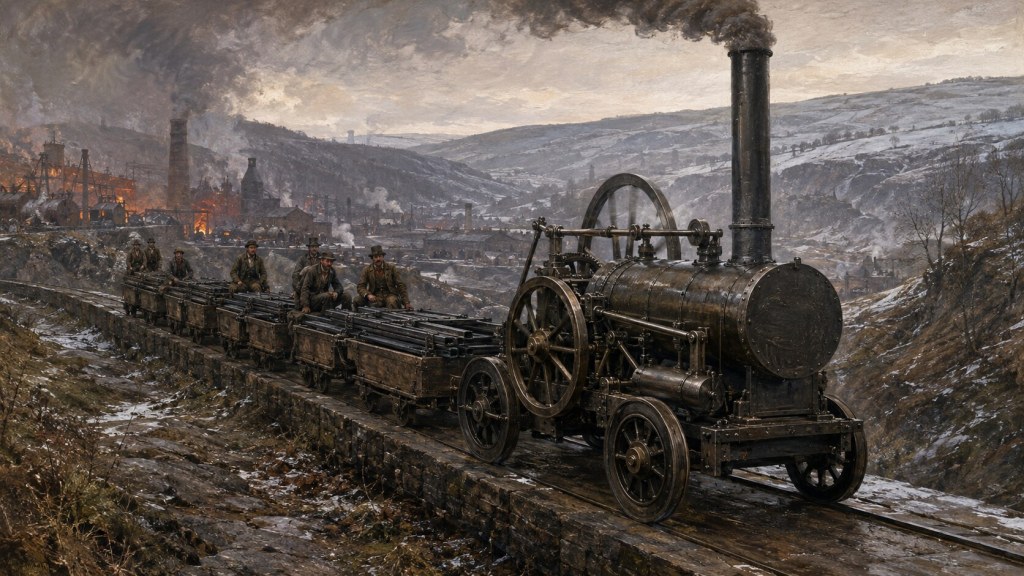
The First Steam Railway Journey Happened in South Wales
Twenty-five years before Rocket, Richard Trevithick’s locomotive hauled ten tons of iron from Penydarren to Abercynon. Its flawed, extraordinary journey began the railway story in South Wales.
-
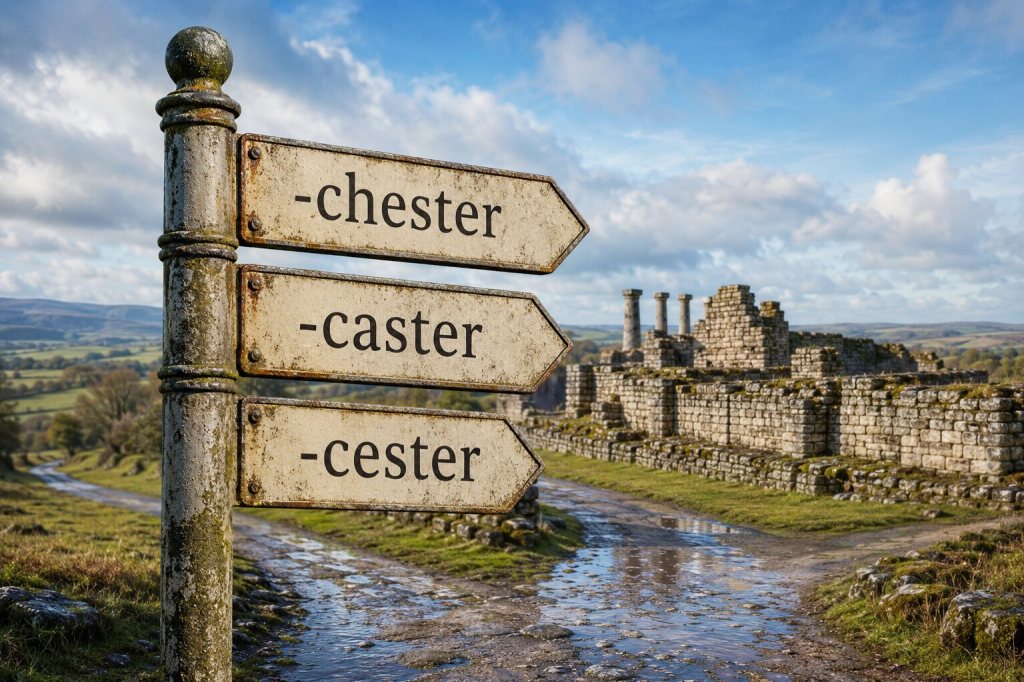
Why Do So Many English Places End in ‘-chester’, ‘-caster’ and ‘-cester’?
Chester, caster and cester look like three different endings. They are one ancient word, reshaped by Romans, Anglo-Saxons, Vikings and everyday speech.