Category: Science, Technology & Engineering
-
Why London’s First Robotaxis Still Have Drivers
London’s first bookable robotaxis can drive themselves, yet still carry a licensed human ready to intervene. The reason reveals the difficult gap between a successful demonstration and a dependable public service.

-
Why “21 Days to Make a Habit” Is a Myth
Habits do not become automatic on day 21. Research finds enormous variation—from weeks to many months—and offers a better way to think about cues, repetition and missed days.

-
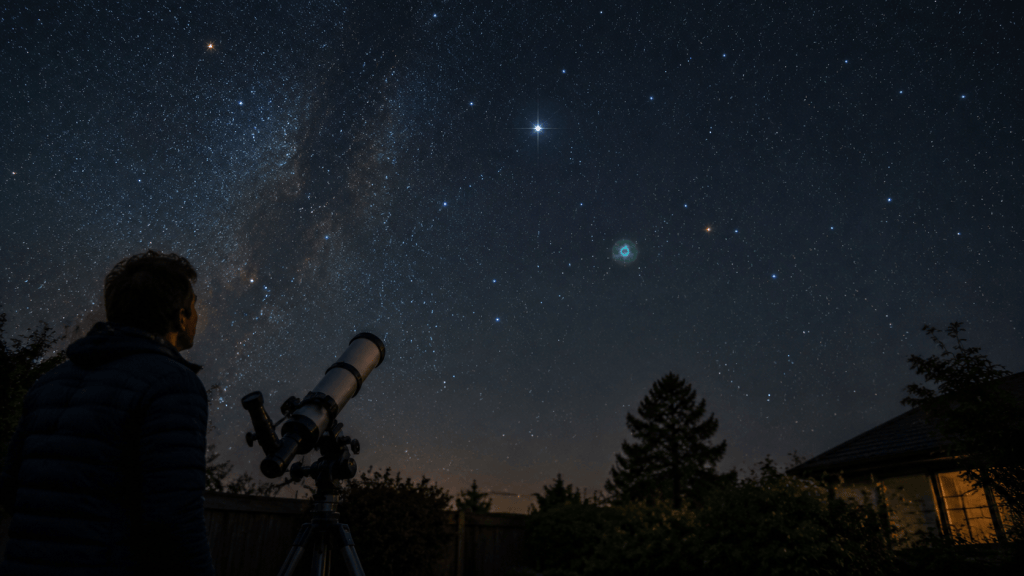
Why Does the Blinking Planetary Nebula Appear to Blink?
NGC 6826 appears to switch its faint shell on and off when you move your gaze. The nebula is steady; the blink is produced by the rods and cones in your own eye.
-
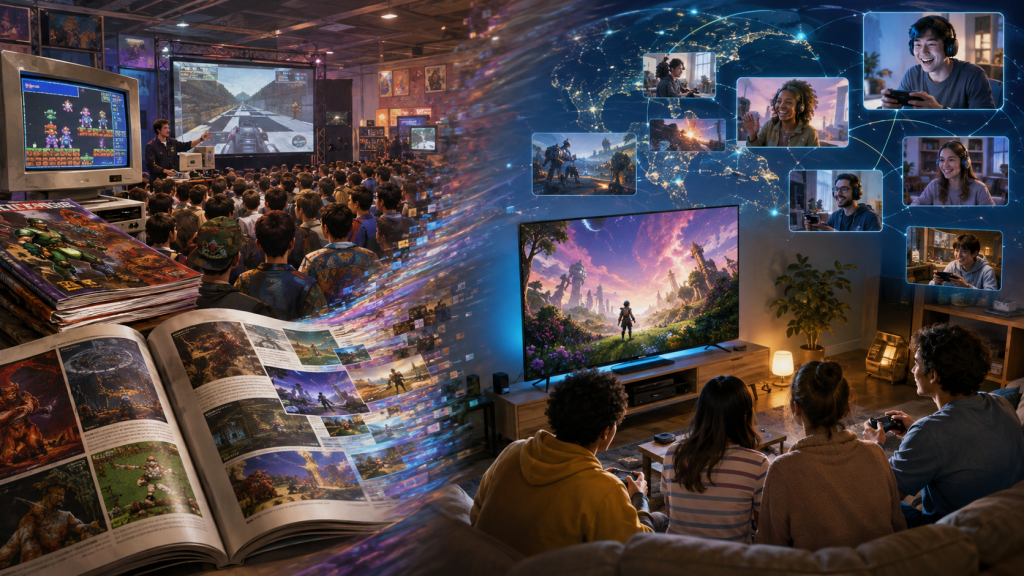
How Video-Game Announcements Became Global Television Events
Game reveals once travelled through magazine screenshots and trade-show reports. Direct livestreams turned marketing into global appointment viewing—and let publishers control the entire stage.
-
Why People Pay to Visit Working Factories
Factory tours turn finished products back into processes. From breweries and railway works to Chinese robotics plants, visitors come to see the hidden systems that make ordinary life possible.

-
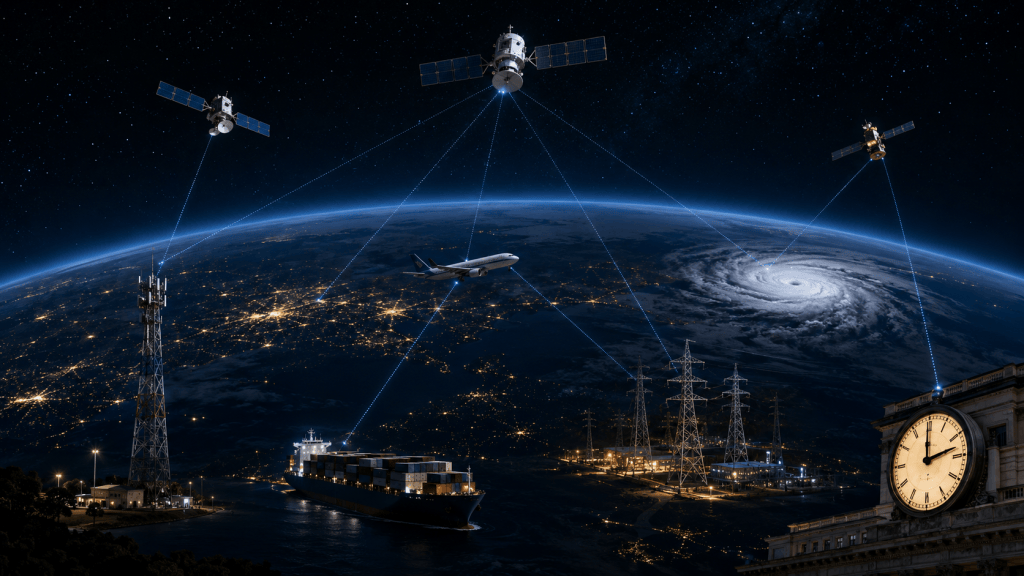
What Would Stop Working If Satellites Went Dark?
Losing satellites would affect far more than maps. Navigation, mobile networks, banking, weather forecasting and electricity grids all depend on position, observation or precise time delivered from orbit.
-
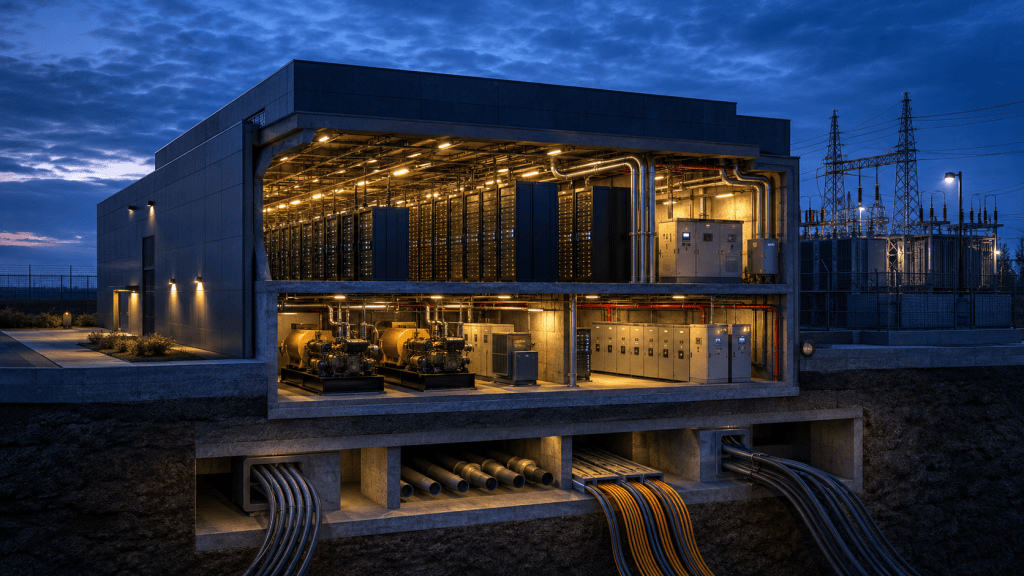
What Does an AI Data Centre Actually Need to Keep Running?
AI may feel weightless, but it depends on industrial buildings full of processors, cooling systems, substations, batteries and fibre. Here is what a data centre physically needs — and why communities are debating the cost.
-
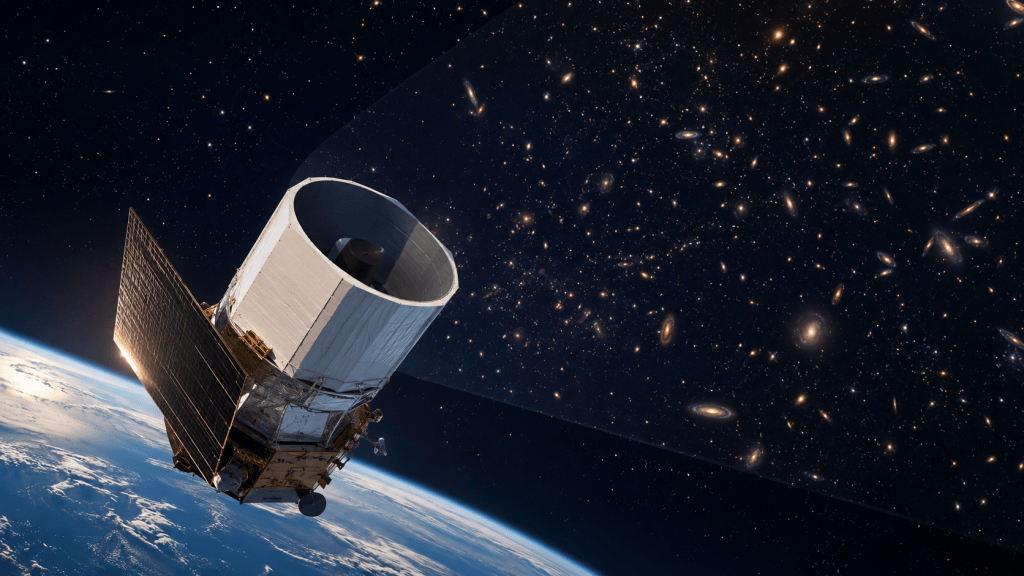
Why NASA’s Roman Telescope Can See the Universe Differently
Roman is not simply a newer Hubble. Its much wider view is designed to map dark matter, test dark energy and find distant planets by surveying the sky at extraordinary speed.
-
When Does Summer Really End — and Who Decides?
Meteorologists say summer ends on 31 August, astronomers wait for the equinox, and nature follows neither timetable exactly. Here is why we have several different seasons.

-
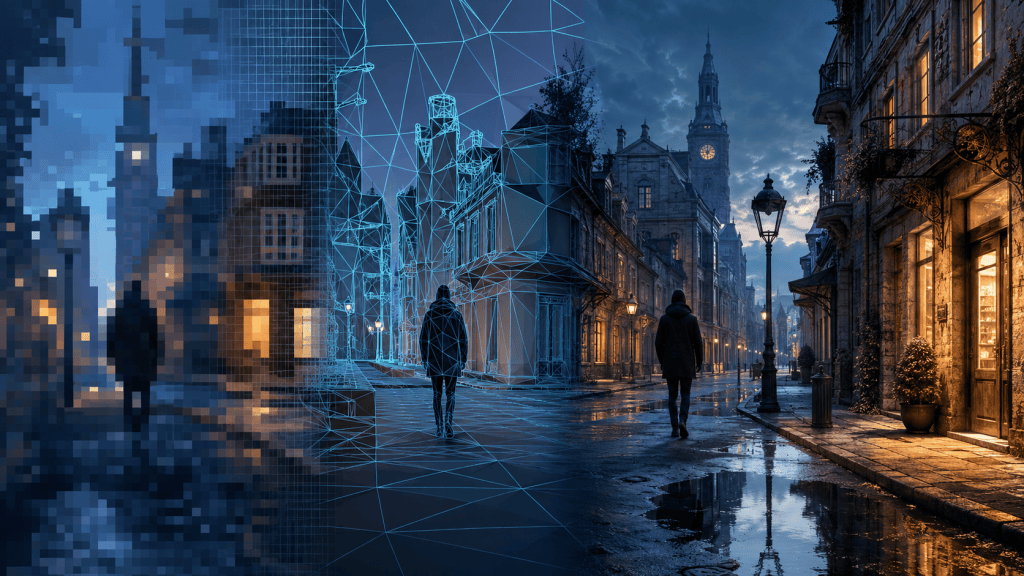
When You Play a Video Game, Who Actually Draws the Picture?
From sprites and triangles to ray tracing and neural rendering, a game image has always been assembled in real time. DLSS 5 makes the computer’s role more powerful — and more controversial.